A vineyard tour sounds straightforward enough: you walk through some vines, you hear about wine, you taste a few glasses. In practice, a good tour has a rhythm to it, and knowing that rhythm in advance makes the whole thing more enjoyable. You can relax, ask better questions, and stop worrying about whether you're holding the glass correctly.
Here's what a typical visit looks like, from the car park to the last sip, along with the small pieces of etiquette that regular tasters take for granted.
Arriving: What Happens First
Most tours start at a set time, and turning up ten minutes early is the sweet spot. That gives you time to find the entrance — vineyard car parks are often gravel, unsigned and at the end of a long track — and to use the facilities before you're standing in a field for an hour.
Someone will usually greet you with a glass, sometimes a branded one you keep, sometimes a loaner you hand back at the end. Ask which, because pocketing a glass you were meant to return is an awkward way to finish the afternoon.
Dress for a farm rather than a restaurant. Gravel, grass, mud and gentle slopes are all normal. Trainers or boots work; heels and thin-soled sandals don't. Tours generally go ahead in the rain, though the outdoor section may be shortened and you might spend more of it under cover.
The Vineyard Walk
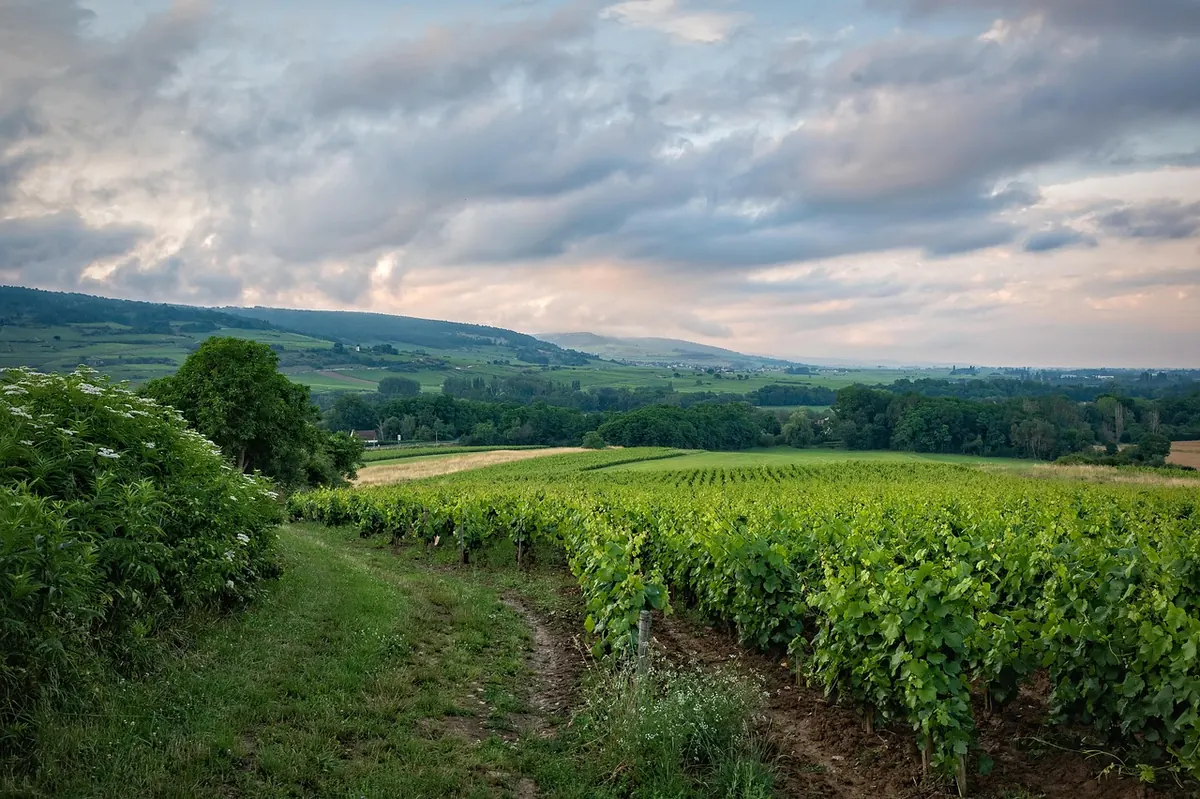
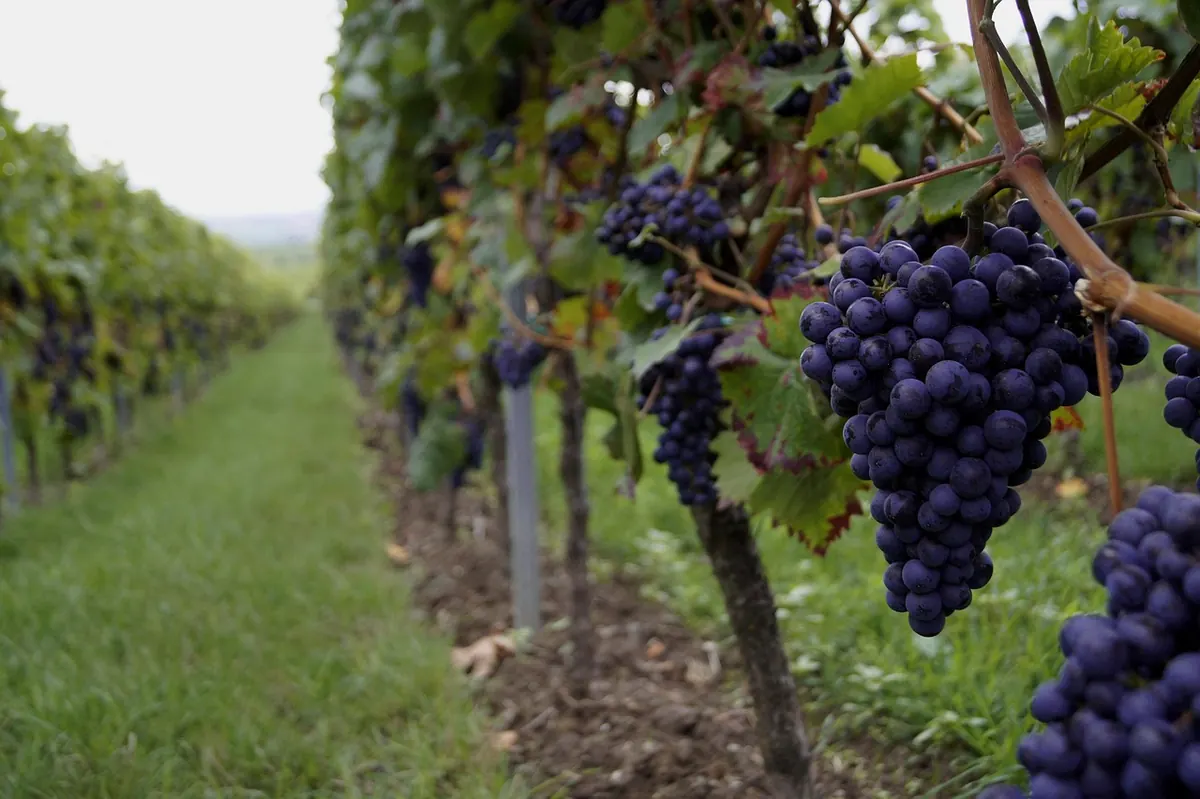
This part changes most depending on when you visit. In late spring you'll see bare trunks and new growth; by midsummer the canopy is thick and the rows are full; in late summer comes veraison, when red grapes shift from green to purple and whites turn soft and golden. In winter the vines are pruned back and look like sticks, which is genuinely interesting if someone explains what's happening.
A good guide covers the practical basics without drowning you in jargon: which varieties are planted and why, how the site's aspect and soil drainage affect ripening, how the vines are trained, and what happens between budburst and harvest. You'll likely hear about frost protection, birds, mildew pressure and the decisions taken in the final weeks before picking — the point at which a great deal of a wine's character is effectively settled.
Stay on the marked paths and don't pick grapes, even if they look ready. Vines are fragile at certain points in the season and yields are carefully managed. Some estates ask visitors to step through a disinfectant footbath before entering the rows, particularly where vines are young or disease is a concern. It takes two seconds, and it's a real biosecurity measure rather than theatre.
Inside the Winery
The tone changes indoors. You're usually in a cool, echoey space with stainless steel tanks, rows of barrels and a smell that catches people off guard the first time — somewhere between bread, apples and a farmyard. That's fermentation, and it's exactly as it should be.
Your guide will walk you through the sequence: sorting and pressing, fermentation in tank or barrel, malolactic conversion for many reds and some whites, ageing, blending and bottling. If the estate makes traditional-method sparkling wine you may see riddling racks; if they're experimental, you might spot concrete eggs, clay amphorae or a row of small trial barrels.
Watch your step. Winery floors are often wet and slippery, doorways are low and cellar stairs are steep. Keep bags close and keep your hands off valves, hoses and barrel taps — a winemaker's day can be undone by a curious grip.
Into the Tasting Room
Tastings usually run through four to eight wines: sparkling first, then whites, then reds, then something sweet or fortified. Pours are deliberately small, often just a splash, because you're tasting rather than drinking. To taste properly, look at the colour, give the glass a gentle swirl, smell, then sip and hold the wine in your mouth for a moment before swallowing or spitting.
Spitting is perfectly acceptable and, if you're driving, it's the sensible choice. The buckets on the counter are for that, and for tipping away anything you'd rather not finish. Water and something plain — bread, crackers, sometimes a cheese board — are there to reset your palate between wines. Strong flavours fight each other, so eat the blue cheese after you've judged the red, not before.
If you're behind the wheel, don't swallow. Spit, or bring a driver who abstains. Rules and limits vary between countries, and in the UK they differ depending on where you are, so check before you set off rather than guessing on the day.
Tasting Room Etiquette
- Book ahead. Small estates run tours for limited numbers and weekend slots fill quickly.
- Skip perfume and aftershave. Strong scent hangs in a small room and flattens everyone's sense of smell, including yours.
- Don't top up your own glass or help yourself from the counter. Ask, and staff will happily pour.
- Say if you're driving. Staff will pace the tasting, offer water and point you towards the spittoon.
- Keep phones on silent and step outside for calls; tasting rooms are small and echoey.
- Ask before photographing staff or production areas. Most are fine with it, but it's polite to check.
- Follow house rules on children and dogs. Many estates are working farms with machinery about.
- Buy a bottle if you've enjoyed the tour. Cellar door sales are what keep small vineyards going.
- Tipping isn't standard on UK vineyard tours, but check the venue's policy if you'd like to leave something.
If you're avoiding alcohol, mention it when you book. Many estates offer soft alternatives, but it isn't something to assume on the day.
Questions That Get Good Answers
Guides are almost always pleased to be asked about the things that don't fit the script: how a wet August shaped the vintage, whether the barrels were new, why a particular wine isn't made every year, what they'd open at home. Skip anything that asks them to rank their wines against a rival's — it puts them in an awkward spot. Do ask what they're proudest of, and you'll usually get the best story of the day.
Practical Points Before You Book
- Check the format. A 45-minute tasting and a three-hour tour with lunch are very different outings, so look at what's included: vineyard walk, winery access, food, number of wines.
- Sort out transport. If nobody is driving, book a taxi or a local wine tour service. Rural estates often have patchy phone signal and long driveways.
- Eat something beforehand. Tasting on an empty stomach is a reliable way to end the afternoon early.
- Pack a layer, sunscreen and flat shoes. Even a warm day turns cool inside a cellar.
- Leave room in the boot. Most estates sell bottles at the door, and you'll want the one you liked most.
None of this is complicated. Turn up curious, pace yourself, ask a question or two, and take home a bottle of the wine that surprised you. That's the whole point of the trip.
Photo: Matze_macht_Mucke / Pixabay