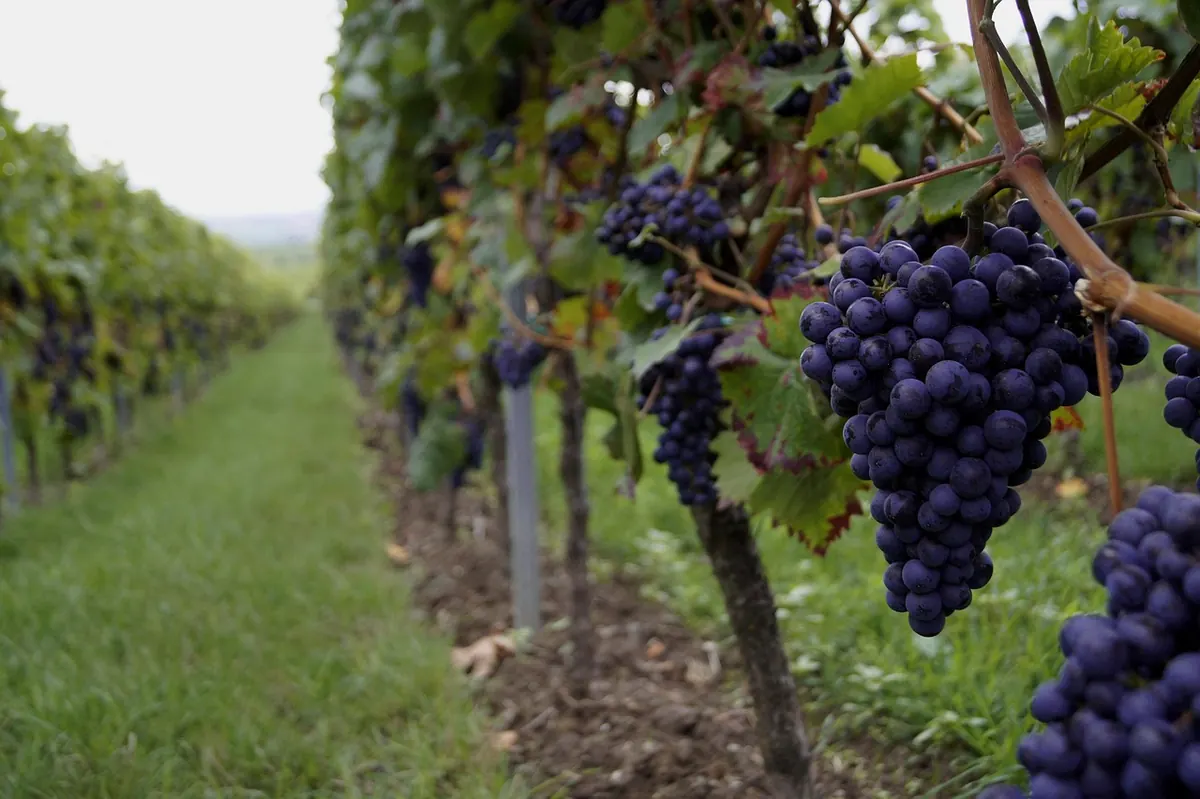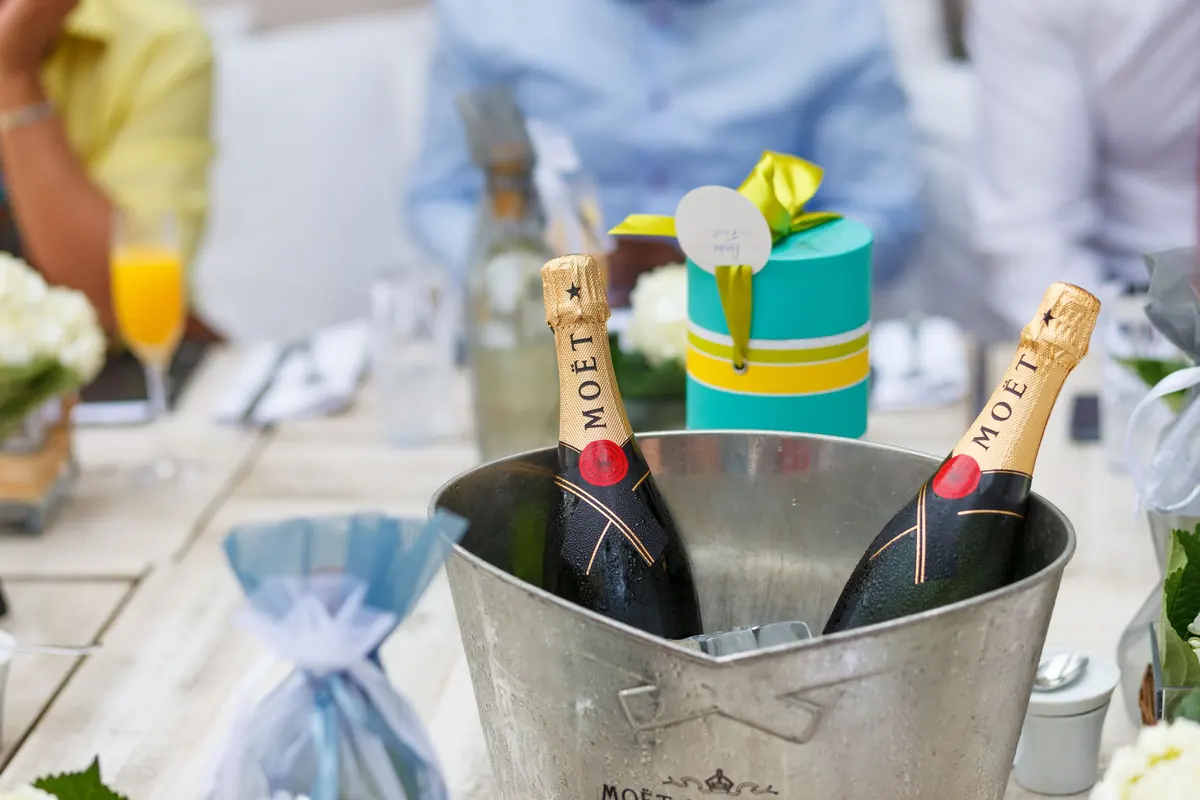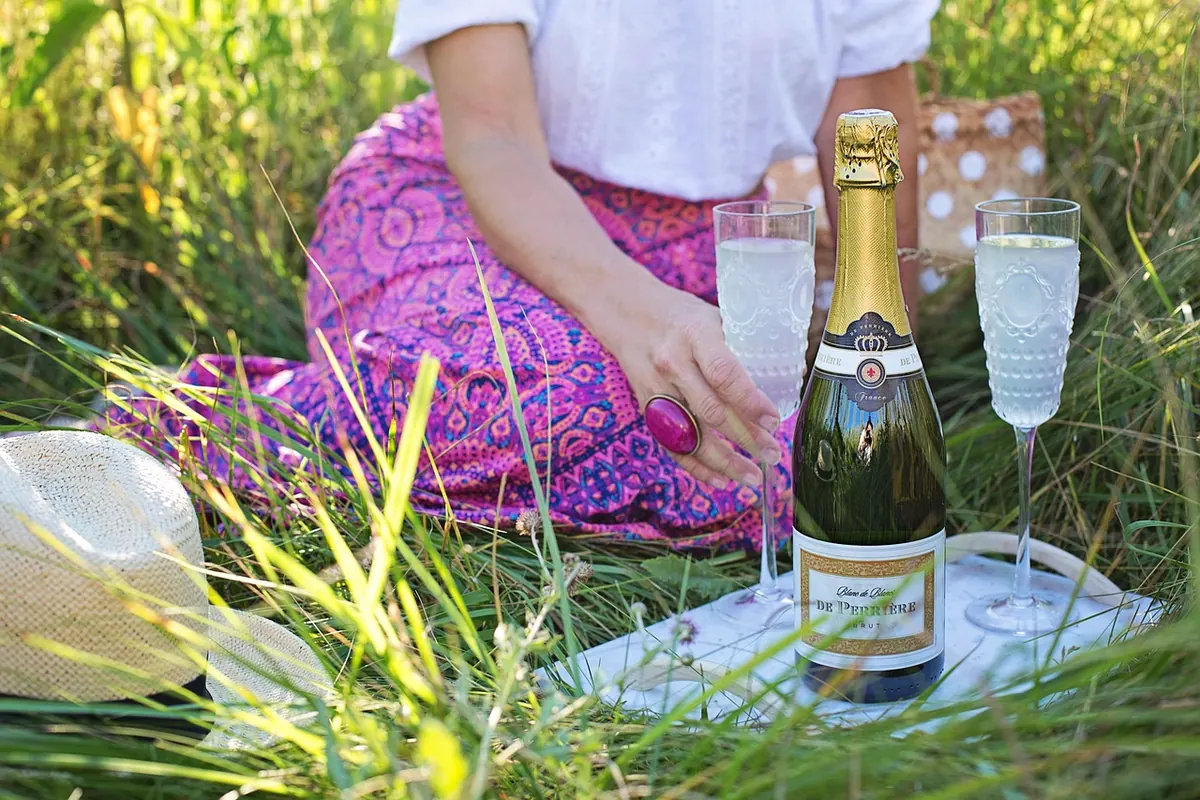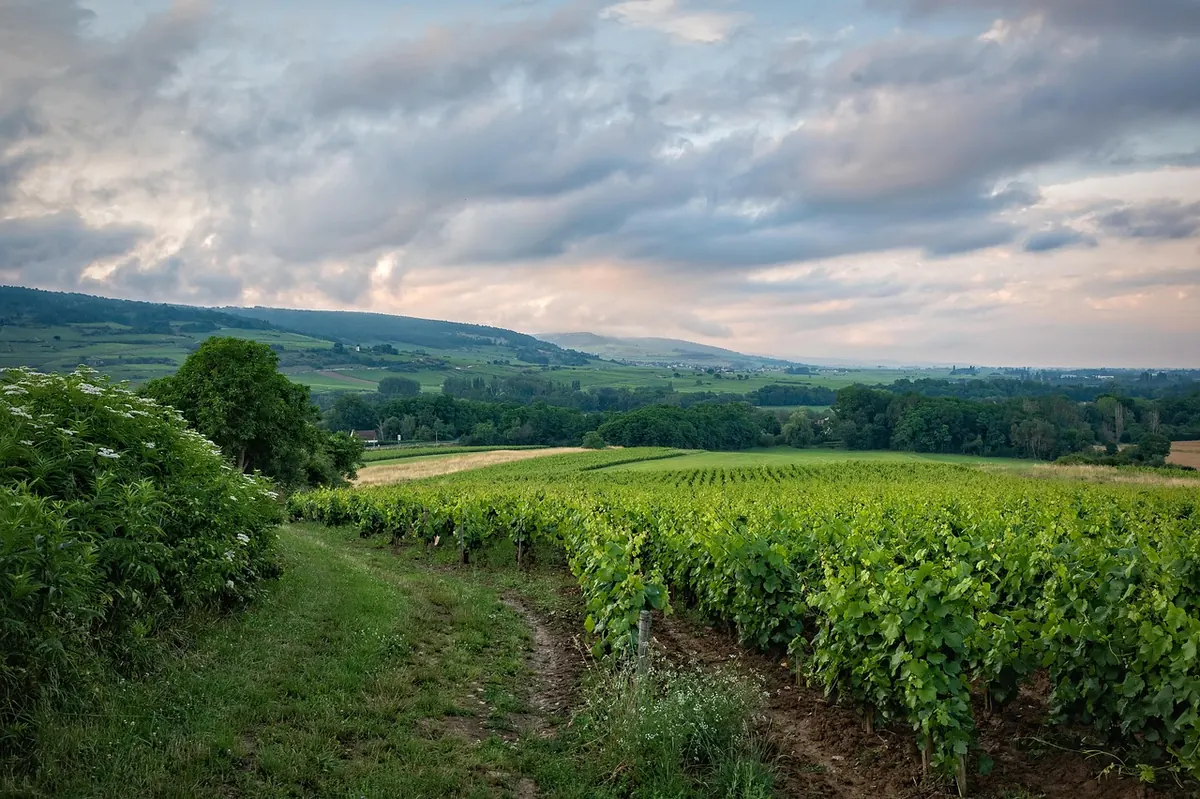
A few hours among the vines, a guided walk and a row of small pours: a vineyard tour is one of the better ways to spend a British weekend. The catch is that the best sites are small, seasonal and often tucked down a single-track lane with no bus stop in sight. A bit of planning turns a potentially fiddly day into an easy one. Here is what to sort out before you go.
Decide what kind of visit you actually want
"Vineyard tour" can mean several different things, and turning up expecting the wrong one is the most common way to be disappointed.
Guided tour and tasting
Usually 60–90 minutes: a walk through the vines or around the winery, an explanation of how the wine is made, then a seated tasting of four to six wines. Bookable in advance, often at set times on weekends.
Cellar door tasting
More casual and closer to a bar. You turn up within opening hours, choose a flight from a list, and pay for what you taste. Good if you want flexibility and no schedule.
Open days and seasonal events
Some vineyards throw open their gates for harvest, food festivals or English Wine Week in late spring. Busy, lively, less personal, and usually no booking needed.
Book early and read the small print
Many UK vineyards are tiny operations with a handful of staff, and a tour slot might be capped at a dozen people. Weekend and bank holiday sessions go first, and harvest — late September into October — is the busiest period of the year.
- Book direct on the vineyard's own website rather than assuming a third-party listing is up to date.
- Check whether it is appointment-only. Plenty of small producers do not have regular opening hours.
- Look at the cancellation policy and whether a deposit is taken, especially for groups.
- Ask if there is a group minimum — some places will not run a tour for fewer than six people.
- See whether the tasting fee comes off a purchase. It sometimes does, and it is worth knowing before you decide what to buy.
Getting there — and getting home
Vineyards sit in farmland, which means narrow lanes, gateways you can easily miss, patchy phone signal and very little public transport. Plan the journey properly.
If everyone in the car wants to drink, book a taxi or minibus in advance and confirm the return pickup time when you book it, not when you are ready to leave. Rural taxi firms are often small and fully booked on a sunny Saturday. Trains can work if there is a station within a few miles, but you will almost always need a taxi for the last stretch.
Do not guess at drink-drive limits. They are lower in Scotland than in England and Wales, and they are not generous anywhere. The safest approach is simple: one person drives and does not drink at all, or nobody drives. If you are unsure about the rules where you are going, check the current guidance from the relevant authority before the day.
Tasting etiquette: what to expect at the bar
Tastings are informal, but a few habits make you a welcome guest rather than a memorable one for the wrong reasons.
- Go easy on perfume and aftershave. Strong scent genuinely interferes with everyone's ability to smell the wine.
- Spitting is normal. Spittoons are provided for a reason, and nobody will be offended. It is the only realistic way to taste six wines and still drive home sober — or simply still enjoy the evening.
- Follow the order you are poured. Hosts serve light and dry before rich and sweet for a reason.
- Ask questions. Winemakers rarely tire of being asked about yeast, oak or a difficult vintage.
- Stay with your glass and do not help yourself to open bottles on a table.
- Ask before taking photographs, particularly in working areas.
- Check the policy on children and dogs before you set off. Some welcome both; some welcome neither.
Weather, clothing and what to pack
British vineyard tours are largely outdoors, and the weather can turn twice in an hour. Vines are grown on slopes, so paths are often uneven, grassy or gravelly. Trainers or walking shoes beat sandals and heels every time.
A sensible day bag:
- Booking confirmation and the vineyard's phone number
- A waterproof jacket and a light layer, even if the forecast is good
- Sun cream and a hat — vineyards are exposed and shade is scarce
- A refillable water bottle
- Something to eat, unless you have checked that food is served on site
- A card and a little cash, plus a bag or box for any bottles you buy
- A notebook or your phone for tasting notes, if you like keeping track
Eat first, pace yourself, buy well
Tasting on an empty stomach is a short route to a headache and a long afternoon. Have a proper meal beforehand, and drink water alongside the wine. If you are planning to buy, remember that bottles left in a hot car boot will not thank you — ask about delivery for anything you want to keep for a few years, and about case discounts if you are buying in quantity.
The night before: a five-minute checklist
Confirm the booking and the start time. Check the route and download an offline map, because signal may vanish. Charge your phone. Confirm your lift or taxi in writing. Put the waterproof, the flat shoes and the water bottle by the door. Then all you have to do on the day is turn up, listen, taste and enjoy yourself.
Photo: Tama66 / Pixabay