Rosé is the most argued-about colour in wine, and most of the arguing happens standing in a shop aisle. Two bottles can look almost identical and taste like they came from different planets: one tight and pale with a salty finish, the other soft, sweet and heavy on strawberry. Neither is a mistake. They are simply different styles, and the differences come down to a handful of decisions made in the vineyard and the winery.
Get those decisions straight and you can pick up a bottle knowing roughly what you're about to drink. Here's what the colour, the sweetness and the region are really telling you.
What makes rosé pink in the first place
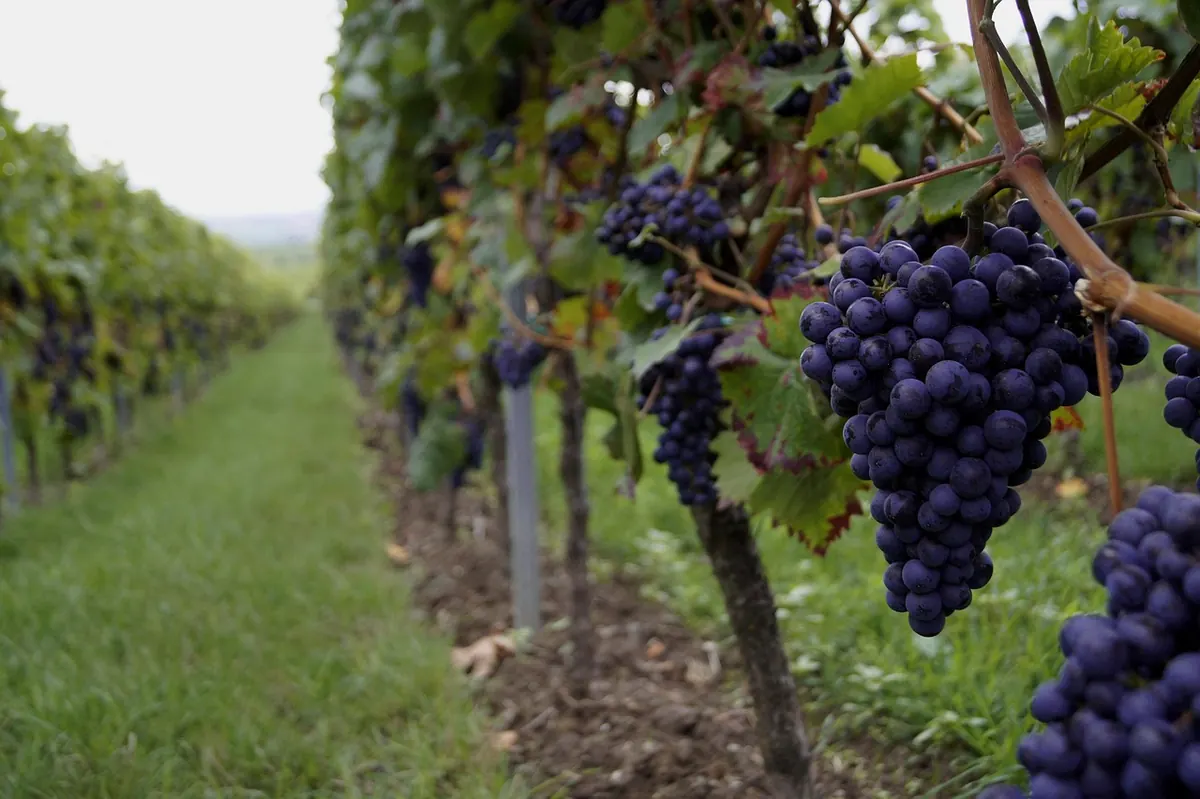
Rosé is not, as a rule, red wine mixed with white. The colour comes from grape skins, which is where all the pigment lives. Crush red grapes, let the juice sit with the skins for hours rather than weeks, then drain it off, and you get pink instead of red. The longer the contact, the deeper the colour — and usually the more grip and flavour the wine carries.
Winemakers have several routes to the same end:
- Direct pressing. Whole grapes go straight into the press and the juice runs off almost immediately. This gives the palest, most delicate styles.
- Short maceration. Juice and skins soak together for anything from a couple of hours to a day or two, building more colour and fruit.
- Saignée. A portion of juice is bled off a red wine tank to concentrate what's left behind. The bled juice becomes rosé, often as a by-product rather than the main event.
- Blending. A splash of red added to white. Some regions permit it — Champagne is the famous example — but for most still rosés in Europe it isn't allowed, so don't assume it.
Colour tells you about weight, not sweetness
This is the most useful thing to understand, and the one most often got wrong. A deep pink wine is not automatically sweet, and a pale one is not automatically dry.
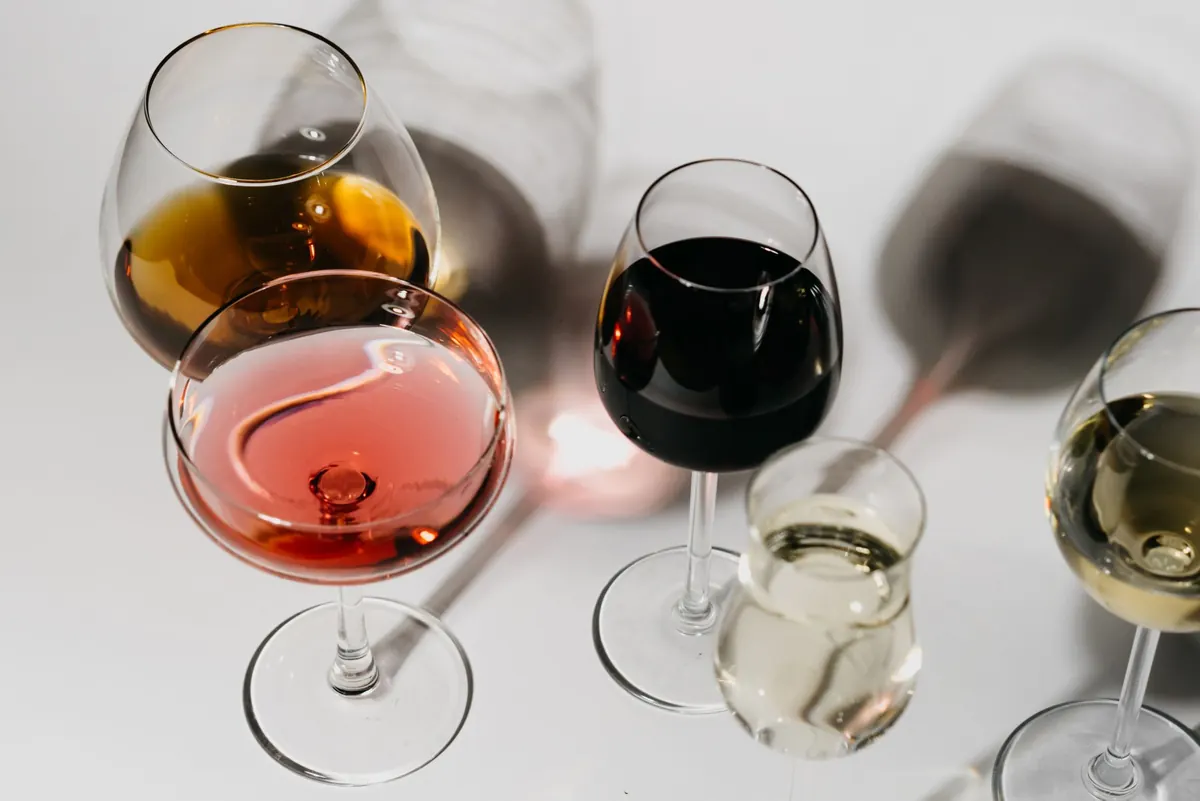
What colour does hint at is body. Very pale rosés — onion-skin, pale salmon — tend to be light, crisp and refreshing, with flavours closer to white peach, redcurrant and citrus than to jam. Deeper pinks, the colour of watermelon or cherry, usually carry more weight, riper fruit and a touch of tannin that gives the wine a gentle grip. Both can be bone dry. Provence rosé is famously pale and fiercely dry; Tavel, in the southern Rhône, is deeply coloured and dry too, but with far more structure. Colour is a clue, not a verdict.
Sweetness: what to look for on the label
Sugar is the second variable, and labels are not always helpful. A few reliable signals:
- Alcohol level. Below about 11% often points to residual sugar, because not all the sugar was fermented. Between roughly 12.5% and 13.5% usually means the wine fermented dry.
- Grape and region. White Zinfandel, Rosé d'Anjou, Mateus and many Portuguese rosés sit in the off-dry, softly fruity camp. Provence, Bandol, Tavel, Cerasuolo d'Abruzzo and most Spanish rosados are dry.
- Words like "medium dry" or "off-dry". On a back label these mean there's perceptible sweetness, even if it's modest.
If you're unsure, ask the person behind the counter for a dry recommendation and name the last rosé you enjoyed. That single sentence saves more disappointment than any shelf talker.
Provence: the pale, dry benchmark
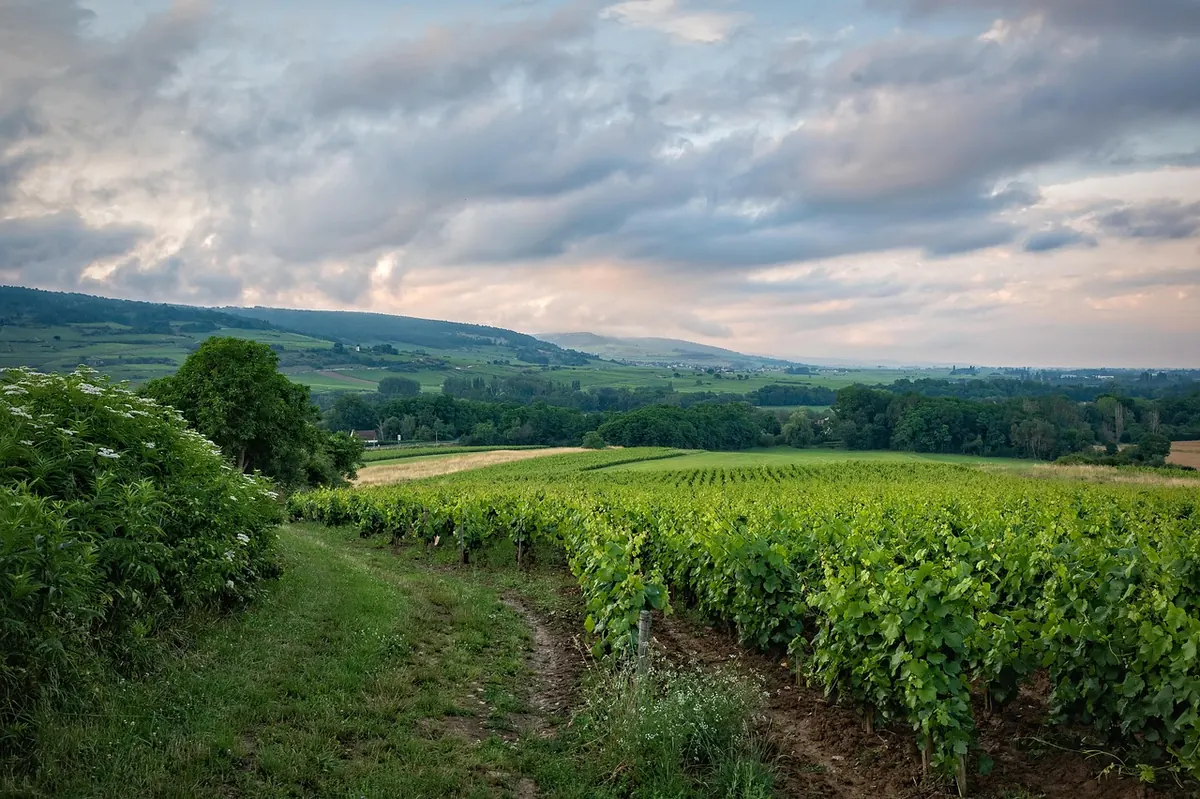
Provence built the modern template. The wines are typically blends of Grenache, Cinsault, Syrah, Mourvèdre and Rolle, pressed quickly, fermented dry and bottled young. Expect pale salmon colour, high acidity, modest alcohol and a savoury, almost saline edge over delicate red berry fruit. They are at their best chilled to around 8–10°C and drunk within a year or two of the vintage.
The style has been copied widely, and "Provence-style" on a label from elsewhere is worth trying — but it's a description of intent, not a guarantee of quality.
Beyond Provence: Portugal, Spain and Italy
Portugal deserves more attention than it gets. The country drinks a great deal of rosé itself, and the styles range from lightly spritzy Vinho Verde rosé through to fuller examples from the Douro and Alentejo. They tend to be a shade sweeter and lower in alcohol than Provence, with generous red berry fruit, and they are often excellent value. Serve them cold with grilled sardines, salt cod fritters or simply a plate of tomatoes and olive oil.
Spain goes deeper in colour. Navarra and Rioja produce Garnacha-based rosados that are vivid pink, ripe and strawberry-scented, usually dry, and happy alongside chorizo, peppers and anything off a grill. Italy's Cerasuolo d'Abruzzo, made from Montepulciano, is cherry-coloured, dry and faintly bitter in the best way — a serious food wine. Bardolino Chiaretto from Lake Garda is lighter and more delicate.
Then there's the rest of France: Tavel and Lirac for depth and structure, Bandol for Mourvèdre-driven power that ages surprisingly well, and the Loire's Rosé d'Anjou and Cabernet d'Anjou for sweetness at varying degrees. Australia, South Africa, Chile and California all make convincing dry rosés now, often from Shiraz, Pinotage or Pinot Noir. The range is wider than it has ever been.
Serving it well
Rosé is not a wine to treat casually at the table. A few habits make a real difference:
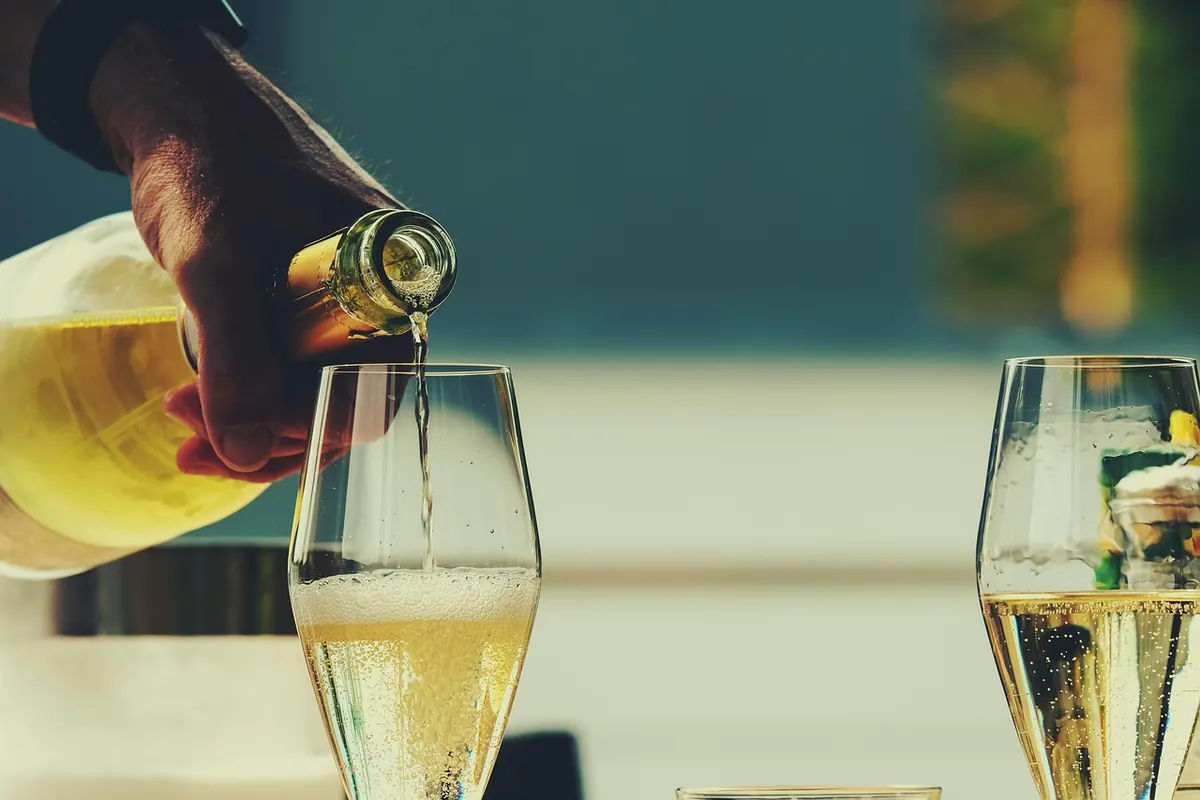
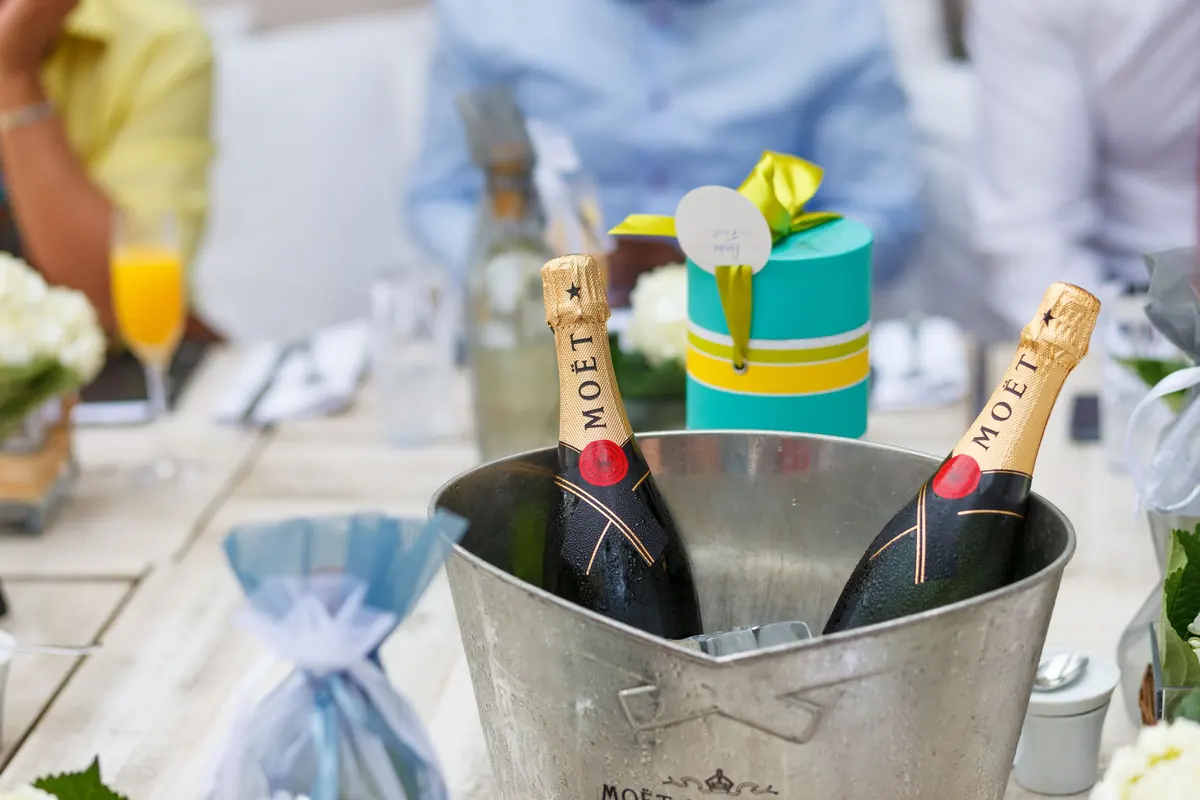
- Chill properly. Twenty minutes in an ice bucket, or two hours in the fridge, is usually right. Pale, dry styles suit colder serving; deeper, more structured rosés show more if you let them warm slightly in the glass.
- Skip the tumbler. A standard white wine glass concentrates the aromas; a narrow flute flattens them.
- Think about acidity. Crisp, pale rosés love shellfish, goat's cheese, salads and grilled vegetables. Fuller, deeper rosés handle lamb, charcuterie, paella and mildly spiced dishes.
- Watch the heat. A warm glass tastes flabby and alcoholic within minutes. Keep the bottle in the bucket between pours.
One last note: rosé is wine, and wine is best enjoyed in moderation, with food and with a glass of water nearby.
Choosing a bottle with confidence
Next time you're faced with a wall of pink, work through three questions. How dark is it? That tells you about weight. What's the alcohol level? That usually tells you about sweetness. Where is it from? That tells you the tradition it's following. A pale, 13% Provence blend will be crisp and dry; an 11% Portuguese rosé will be softer and fruitier; a deep, dry Tavel will want food.
If you can, buy two bottles in different styles rather than one. Taste them side by side, and the distinctions stop being abstract — you'll know within a sip which side of the shelf you belong on. Keep a note of the producer and vintage when you find one you like, because rosé changes more than most wines from year to year, and it's rarely built to sit in a rack. Buy it, chill it, drink it while it's young and bright.
Photo: Polina ⠀ / Pexels