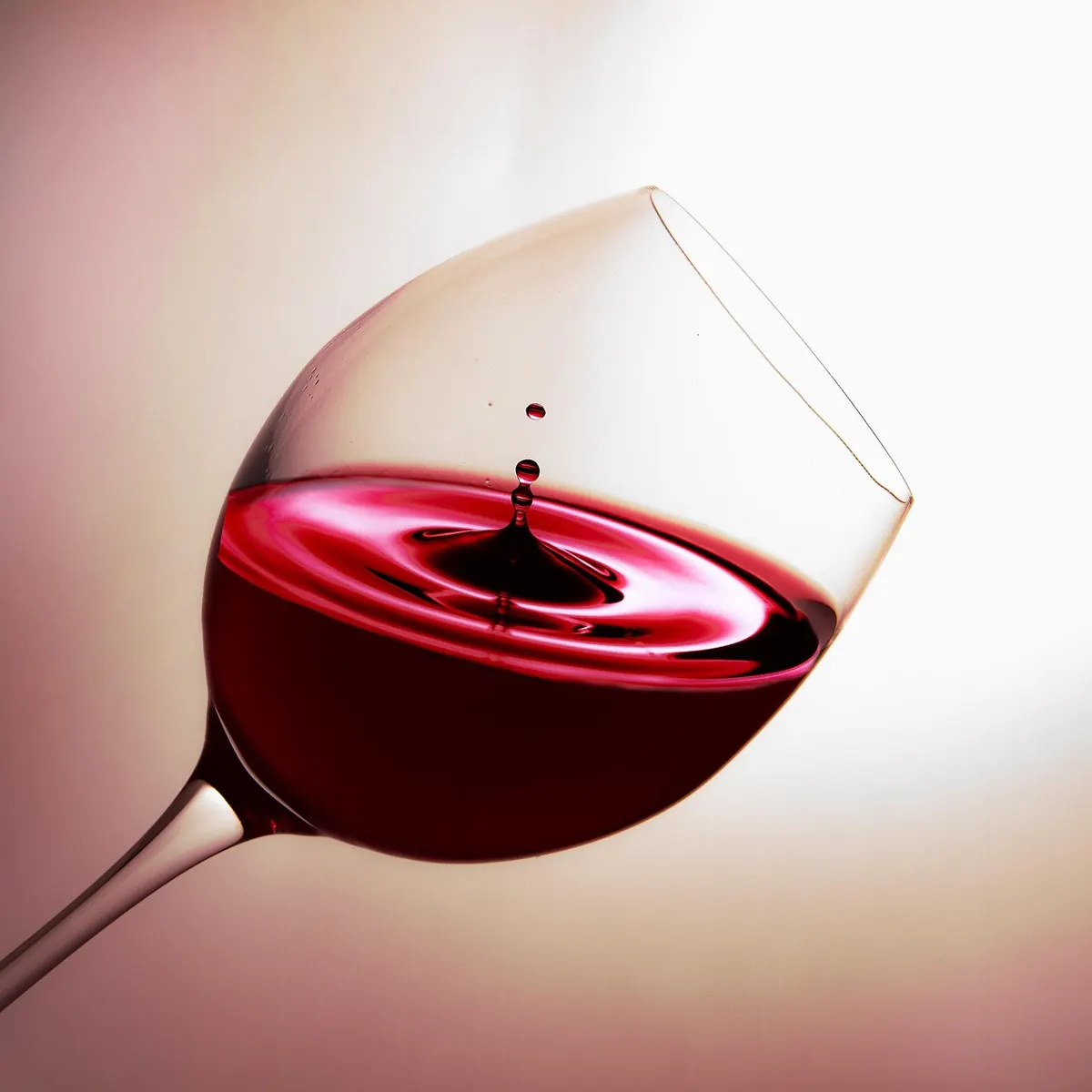
A good bottle of red can taste flat, sharp or simply dull — and quite often the wine is not the problem. A few habits around the kitchen and dining table quietly strip the flavour out of it: the bottle left next to the radiator, the tumbler that smells of washing-up liquid, the pour that fills the glass to the rim. Fix those and even an inexpensive bottle shows more of what it has.
Serving it too warm
"Room temperature" is the oldest piece of red wine advice going, and it was written for draughty houses that sat around 16°C. A modern living room with the heating on is closer to 21°C or 22°C, which is roughly the point at which alcohol starts to shout over everything else. Fruit fades, acidity goes slack, and the wine feels heavier than it really is.
- Lighter reds — Beaujolais, Pinot Noir, Frappato, young Grenache: 13–15°C.
- Medium-bodied reds — most Rioja, Chianti, Merlot, Malbec: 15–17°C.
- Full-bodied reds — Cabernet Sauvignon, Syrah, Bordeaux blends, Port: 16–18°C.
The bottle should feel cool rather than cold against your forearm. If it's too warm, twenty minutes in the fridge does more for it than an hour in a decanter. If it's too cold, cup the bowl in your hands or simply leave it on the table; don't microwave it, and don't drop ice cubes in, which chill it too hard and dilute the wine as they melt.
Decanting the wrong wine, or not decanting at all
Decanting does two separate jobs, and they don't always want the same treatment. Young, tannic reds — a young Bordeaux, a Barolo, a structured Syrah — open up with air. Older bottles need the opposite: just enough time to leave the sediment behind, then a glass, because a mature Burgundy can lose its perfume in half an hour.
- Stand the bottle upright for a day before serving, or at least a couple of hours, so the sediment settles in the shoulder.
- Have the decanter ready, with a light source — a candle, a lamp, a phone torch — under the neck of the bottle.
- Pour slowly and steadily, watching the neck. The moment a dark haze of sediment arrives, stop.
- Serve older wines fairly soon after pouring off. Give young ones 30–60 minutes, tasting as you go.
No decanter? A clean jug works, and so does a vigorous swirl in the glass. What you shouldn't do is leave an open bottle on the sideboard for three hours and expect it to improve — past a point, air is the enemy.
Using the wrong glass
The ideal red wine glass is a tulip: a bowl wide enough to swirl, narrowing at the rim so aromas collect rather than escape, on a stem long enough that your hand doesn't warm the wine. A short tumbler isn't a crime, but you lose the aromatics — which is most of what you are tasting — and you will almost certainly hold the bowl, nudging the temperature up.
Fill to about a third, no more. That headspace is the point of the shape: it gives the wine somewhere to breathe and gives you room to swirl without splashing. Wash glasses in hot water, dry them with a lint-free cloth and store them upright. Detergent residue and tea-towel fluff both smell, and a glass left upside down in a cupboard that held garlic will tell you all about it.
Storing the bottle badly before you open it
Where the bottle has spent the past month matters as much as what you do in the final hour. Heat, light and vibration are the three main problems, and a kitchen is usually the worst room in the house for all three.
Keep reds somewhere cool, dark and steady — a cupboard away from the oven, a cellar, a spare-room floor. Aim for something in the region of 10–15°C with as little fluctuation as possible. Lay bottles with cork closures on their side so the cork stays swollen and sealed; screw-capped bottles can stand upright without harm. Once a bottle is open, push the cork back in, put it in the fridge and drink it within three to five days. Fuller, tannic reds usually hold up better than light ones.
Small serving mistakes that add up
Some habits are easy to correct once you notice them. Don't pour the first glass and immediately judge the wine — that first pour can be tight, particularly if the bottle has been standing in a cold hallway. Pour gently against the side of the glass rather than straight at the bottom, and keep the bottle on the table rather than in your hand while you talk.
If you're opening more than one bottle, serve lighter reds before fuller ones, and finish the older wine before the younger. And if you're cooking with the same wine you're drinking, taste it first — a wine you wouldn't drink rarely improves a sauce.
A two-minute routine before you pour
Stand the bottle up, feel it to check the temperature, and give it a few minutes in the fridge if it's warm. Open it, pour a small taste, swirl and smell. If it seems closed or overly tannic, wait a while; if it smells and tastes right, pour to a third of the glass and leave it at that.
Most red wine disappointments at home are serving faults, not wine faults — and serving faults are the ones you can fix.
Get the temperature roughly right, keep the glass clean, and give the wine a little air and a little space. The rest tends to look after itself.
Photo: Sponchia / Pixabay